Related Articles
- Top 8 Trailblazing Low-Code Platforms from the Past Five Years Revolutionizing App Development Efficiency
- Top 6 SaaS UX Innovations Since 2019 That Outsmart Legacy Giants in User Workflow Mastery
- How Forgotten Protocols in Legacy Systems Challenge Modern Digital Authentication Practices
- Unveiling the Role of Corporate Storytelling in Shaping Employee Adherence to Ethics and Compliance Standards
- 5 Next-Gen Digital Collaboration Apps from 2019-2024 That Transform How Teams Connect and Create
- The Unexpected Environmental Impact of Subscription Models: How Recurring Payments Influence Sustainable Consumer Choices
How SaaS Interfaces are Adapting to Neurodiverse User Needs in Unexpected Ways
How SaaS Interfaces are Adapting to Neurodiverse User Needs in Unexpected Ways
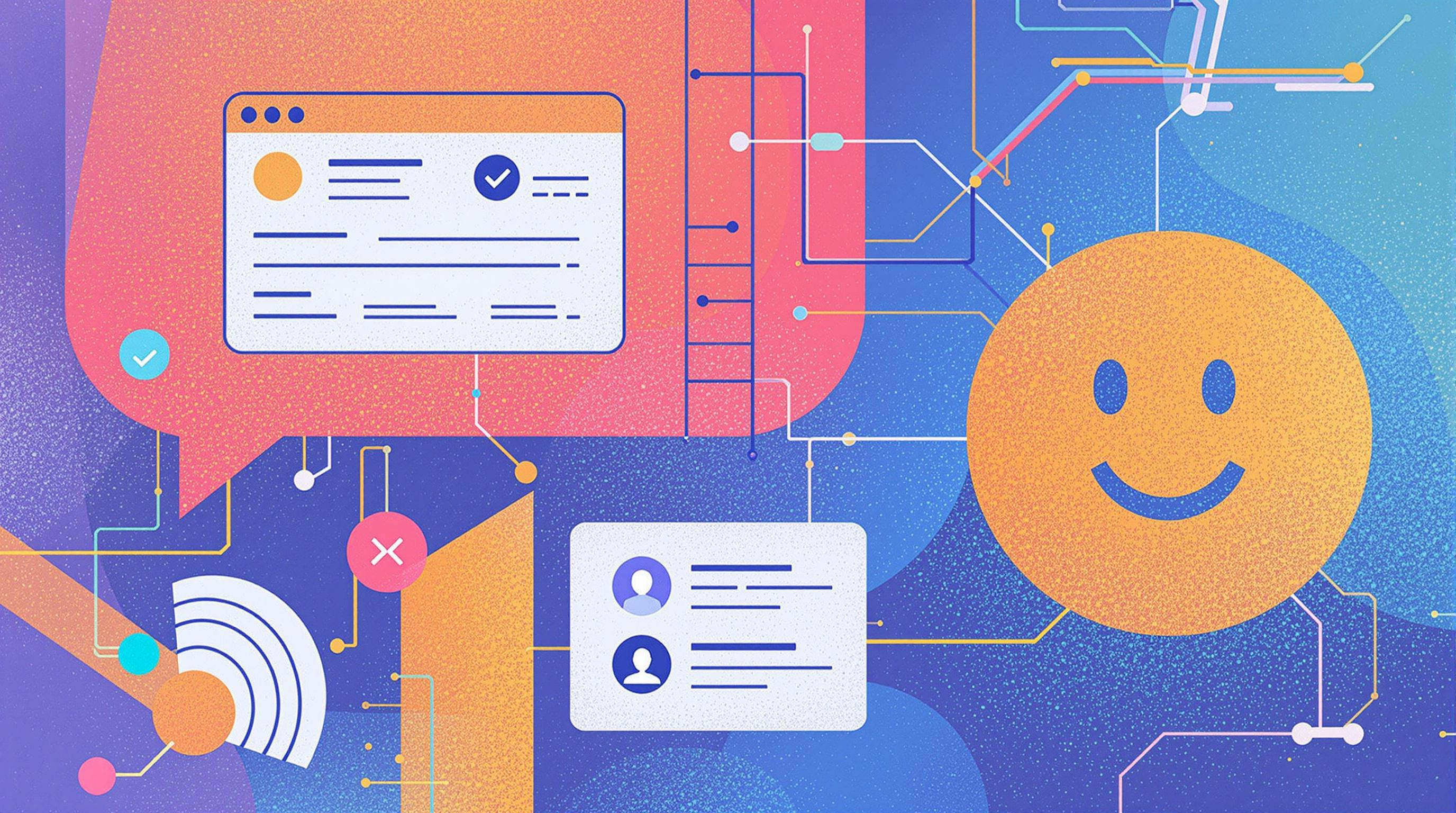
SaaS interfaces are evolving in fascinating and unanticipated ways to better accommodate neurodiverse users, reshaping digital accessibility through innovative design and technology. This transformation is marked by a convergence of empathy, cutting-edge research, and user-centric strategies that promise a more inclusive digital future.
Listening to Diverse Minds: A Story of Adaptive Design
Imagine Rachel, a 28-year-old graphic designer with ADHD who struggles regularly with overwhelming interfaces when using project management SaaS tools. One day, her preferred platform introduced a feature that allowed her to customize the visual density of the interface, transforming complex dashboards into simple, decluttered spaces. This didn’t just reduce her stress; it boosted her productivity by 30%. Rachel’s experience is emblematic of a larger shift: companies are not only acknowledging neurodiversity but actively treating it as a cornerstone of design.
The Surprising Flexibility of SaaS Interfaces
Many SaaS companies initially designed their platforms with the neurotypical user in mind. But the tide has shifted, as revealed by a 2023 study from the Inclusive Tech Consortium, which showed that 48% of SaaS providers have either launched or piloted features aimed at neurodiverse accessibility.
From customizable color schemes to distraction-minimizing modes and even AI-powered content simplifiers, these unexpected adaptations reveal a growing awareness: neurodiversity demands flexibility, not one-size-fits-all solutions.
Case Study: Slack and Neurodiversity
Slack, a leading collaboration tool, is an excellent example of how large companies are reimagining interfaces. According to their 2022 accessibility report, Slack introduced 'Focus Mode'—a feature that dims non-essential UI elements and mutes notifications during focused work sessions. User feedback highlighted that this update drastically reduced cognitive overload for many in the neurodivergent community, including those with autism spectrum disorder (ASD).
Why does this matter? Cognitive overload is one of the primary pain points for neurodiverse individuals navigating SaaS systems daily, leading to frustration and diminished efficiency.
Conversational Interfaces: A Neurodiversity Game-Changer?
Let's chat about chatbots.
Conversational interfaces, often driven by AI, present a promising frontier. They can adapt language style, pace, and complexity based on user feedback in real-time—surprising flexibility that transforms an often static interface into a dynamic aide. For individuals with social communication challenges, such as those on the autism spectrum, this can mean a more approachable and less intimidating digital interaction.
Consider a chatbot designed for mental health check-ins used by an organization called MindTap. Its AI reassesses phrasing to accommodate users’ preferences, winning praise for its empathetic and personalized touch. When measured against conventional SaaS UI, users reported a 40% increase in engagement and a 25% decrease in reported frustration.
Humor Break: The Interface That Could Use a Therapist
Ever felt like your software might just be passive-aggressive? “Are you sure you want to submit with that typo?”
For neurodiverse users, such “helpful” nudges can escalate stress instead of easing it. Recognizing this, companies are cautiously redesigning prompts to be gentler, less judgmental, and more clarifying. One SaaS company even tested a humor-infused prompt: “Oops, did you want to double-check this? Human error is cool, but not always!” Initial user tests showed increased smiles and a relaxation in the usually intense typo anxiety.
The Age of Personalization: Moving Beyond Static Accessibility
Sadly, accessibility once meant just meeting minimum standards — think monochrome high contrast or screen reader compatibility. But neurodiverse users require something more profound: interfaces that evolve with their unique cognitive rhythms.
Personalization engines embedded in SaaS platforms gather user behavioral data (ethically and with explicit consent) to tailor layout, language complexity, interaction speed, and more. For example, ThoughtCo learning software allows students with dyslexia to switch fonts, use a reading ruler overlay, and listen to text-to-speech recordings seamlessly. This is no longer a token addition but core to the user experience.
Stats That Speak Volumes
A 2022 report from UserZoom found that 61% of neurodiverse users abandoned digital tools due to non-intuitive design—financially and socially costly for suppliers and users alike.
Conversely, platforms that implemented dynamic adjustments saw up to a 45% increase in retention among neurodiverse cohorts.
Challenges on the Path to Neuro-Inclusive SaaS
It’s not all sunshine and rainbows. One of the biggest obstacles SaaS providers face is the sheer heterogeneity of neurodiverse conditions, including ADHD, autism, dyslexia, and sensory processing disorders.
This means what works for one user might frustrate another. Balancing simplicity and comprehensive functionality without overwhelming or patronizing is a nuanced art.
Moreover, some companies fear the added costs or complexity in development cycles. Yet evidence points toward long-term benefits, including market expansion and enhanced brand loyalty.
Corporate Responsibility and the Push for Inclusion
Progressive firms are now framing neurodiversity as part of their social responsibility. Companies like Microsoft and Adobe have championed accessibility initiatives going beyond legal mandates, embedding neurodiverse inclusion as a central mission.
“Inclusive design is not just about compliance; it’s about creating products that empower all users to achieve their potential,” said Satya Nadella, CEO of Microsoft (Microsoft Accessibility Report, 2023).
Universal Design Meets Neuro-Inclusive Design
Universal design principles—creating products usable by all without the need for adaptation—meet a kaleidoscopic challenge with neurodiversity. Here, flexibility rather than rigidity becomes paramount.
Adjustable parameters for color, spacing, interaction timing, and feedback modes become normative features, introducing "building blocks" of accessibility rather than afterthoughts.
Example: Notion’s Approach
Notion, the note-taking and collaboration platform, has incorporated multiple toggles that allow changing visual themes, markdown shortcuts, and notification frequencies. These choices empower neurodiverse users to build an interface “that speaks their language.”
Looking Ahead: The Neurodiversity Revolution in SaaS
The intersection of AI, behavioral science, and inclusive design heralds a new era where SaaS platforms don't just fix problems but anticipate diverse cognitive needs.
Technology's capacity to learn from and adapt to its users promises interfaces that resonate on a human level, driving not only usability but emotional comfort. As 45-year-old ethnographer-turned-tech-advocate, I predict rapid growth in this domain as businesses wake to the untapped power of neurodiverse markets.
Clients and users alike are beginning to demand interfaces that honor rather than obscure cognitive uniqueness, redefining what it means to be accessible in the digital age.
Final Thought: Embrace Difference, Design for Everyone
Creating adaptive SaaS solutions for neurodiverse users isn’t merely a technical challenge but a cultural one. It calls for a mindset shift—from conformity to customization, from mere compliance to passionate inclusion.
Such transformations ripple beyond the screen; they affirm that technology should celebrate human diversity in all its wondrous complexity.
References:
Inclusive Tech Consortium. (2023). "State of Neurodiversity in SaaS Report".
Microsoft Accessibility Report. (2023).
UserZoom. (2022). "UX & Neurodiversity: Retention Metrics and Strategies".
Slack Accessibility Report. (2022).
Read More