Related Articles
- Top 8 Trailblazing Low-Code Platforms from the Past Five Years Revolutionizing App Development Efficiency
- Top 6 SaaS UX Innovations Since 2019 That Outsmart Legacy Giants in User Workflow Mastery
- How Forgotten Protocols in Legacy Systems Challenge Modern Digital Authentication Practices
- Unveiling the Role of Corporate Storytelling in Shaping Employee Adherence to Ethics and Compliance Standards
- 5 Next-Gen Digital Collaboration Apps from 2019-2024 That Transform How Teams Connect and Create
- The Unexpected Environmental Impact of Subscription Models: How Recurring Payments Influence Sustainable Consumer Choices
Unveiling the Forgotten Risks: How Single Entry Protocols Could Reshape Digital Privacy Paradigms
Unveiling the Forgotten Risks: How Single Entry Protocols Could Reshape Digital Privacy Paradigms
Single Entry Protocols promise a streamlined future for digital privacy, but beneath the sheen lies a cluster of overlooked risks that may upend our current privacy landscape. This article journeys through the hidden threats, real-world implications, and evolving debates surrounding these protocols.
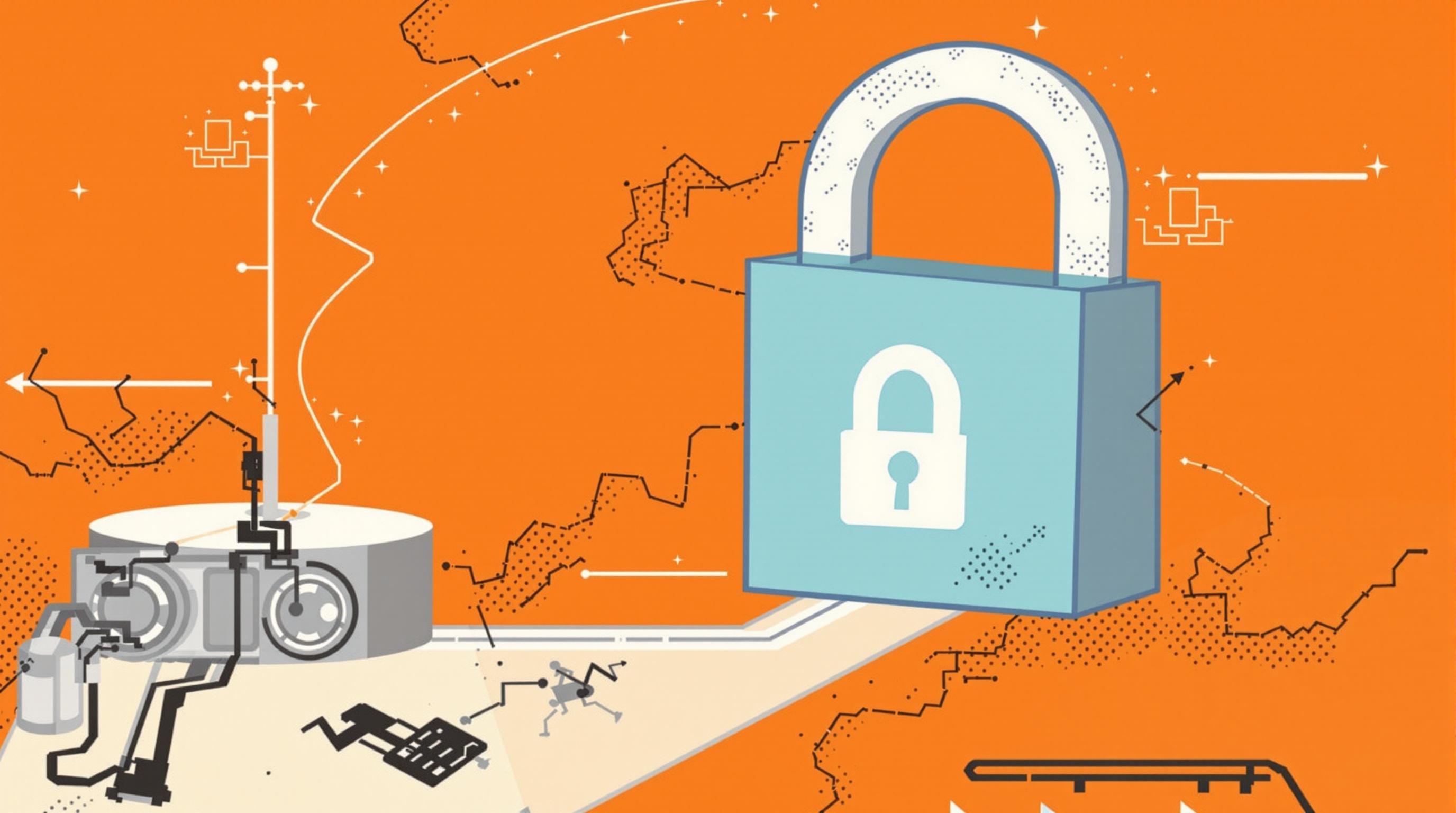
Imagine unlocking every door in your digital life with one key. That’s the selling point of Single Entry Protocols (SEPs), designed to simplify access and reduce friction. But perhaps it’s more like putting all your valuables in a single safe – the convenience is real, but so is the danger if someone cracks it.
Privacy’s Double-Edged Sword
SEPs operate by allowing users to authenticate themselves once to access multiple apps or services. Convenience aside, this single point of access creates a high-value target for hackers. According to a 2023 report by CyberSafe Analytics, 42% of data breaches in the past year occurred through compromised authentication systems, a glaring warning sign as SEPs become widespread.
Think of it this way: if one application within the SEP ecosystem is vulnerable, malicious actors gain a ‘master key’ to your entire digital identity. This amplifies the classic “weakest link” problem inherent in cybersecurity.
A Case Study: The 2022 Velox Data Breach
Velox, a fintech startup, adopted SEP to ease user onboarding. One breach later, 1.4 million users' financial information was exposed. The attack exploited a flaw in Velox's single sign-in mechanism, revealing how a slip in SEP security can cascade into monumental privacy failures.
Statistically Speaking
While SEP adoption is projected to grow by 60% over the next five years (IDC, 2024), expert consensus warns that without stringent safeguards, the increase in convenience may come at a proportional cost to security.
My name’s Martha, I’m 42, and I’ve been tracking tech trends for two decades. When I first heard about SEPs, I thought, “Great, fewer passwords to remember.” But after digging into the data and hacking incidents, I started to see a bigger picture. The potential fallout isn’t just about stolen data — it’s about eroding trust in the digital systems we rely on daily.
On the flip side, SEP advocates argue that centralized access can enhance privacy. By minimizing the number of times users input credentials, the attack surface reduces. Moreover, well-designed protocols employ multi-factor authentication (MFA) and biometrics to fortify access points.
Yet, a paradox emerges: by consolidating access, the potential damage from a single breach escalates exponentially. It’s a question of, do you trust the safe, or fear what happens if it fails?
Exploring the User Experience
From a user’s standpoint, SEPs are a dream — no juggling usernames and passwords across countless platforms. However, that ‘dream’ carries a nightmarish potential if service providers don’t embed robust fail-safes.
Consider Google's single sign-on: billions use it daily without issue, yet when accounts get hijacked, the fallout can be devastating. Personal emails, photos, even linked financial products become instantly accessible.
Lessons from History: The Password Menace
Historically, password reuse was a critical threat vector. SEP emerges as an attempt to solve this dilemma, but it morphs the problem rather than eradicates it. Instead of multiple weak passwords, one single point must now be fortified with unparalleled security measures.
We cannot afford complacency here. The stakes are digital identities, and once lost or stolen, they’re nearly impossible to reclaim.
The Regulatory Landscape
Currently, legislation lags behind technology. Governments worldwide are scrambling to enforce privacy laws robust enough to cover SEP-related vulnerabilities. The GDPR offers some guidance on data protection, but SEPs raise novel issues about consent, data sharing, and accountability that existing frameworks don’t fully address.
“Regulators must urgently clarify the responsibilities of SEP providers, especially regarding breach notifications and liability,” says Dr. Anil Gupta, a cybersecurity policy expert.
Humor me for a moment: relying on a SEP because “it’s easier” is like giving your house keys to a stranger because they promise not to lose them. Convenience is seductive but blind trust can be costly.
In the final analysis, digital privacy paradigms are at a crossroads. SEPs offer undeniable benefits but carry hidden risks we must confront. Vigilance, education, and smart design are crucial to navigate this brave new digital frontier safely.
To the younger readers just stepping into the digital world: remember, every “easy way in” might be an easy way out — for the bad guys.
And for the seasoned users among us, it’s a call to demand better technologies that don’t sacrifice privacy at the altar of convenience.
In sum, the conversation around SEPs is just beginning. With thoughtful policy, careful innovation, and collective awareness, we can shape protocols that uphold trust and security in a fast-changing digital age.
Read More