Related Articles
- Top 8 Trailblazing Low-Code Platforms from the Past Five Years Revolutionizing App Development Efficiency
- Top 6 SaaS UX Innovations Since 2019 That Outsmart Legacy Giants in User Workflow Mastery
- How Forgotten Protocols in Legacy Systems Challenge Modern Digital Authentication Practices
- Unveiling the Role of Corporate Storytelling in Shaping Employee Adherence to Ethics and Compliance Standards
- 5 Next-Gen Digital Collaboration Apps from 2019-2024 That Transform How Teams Connect and Create
- The Unexpected Environmental Impact of Subscription Models: How Recurring Payments Influence Sustainable Consumer Choices
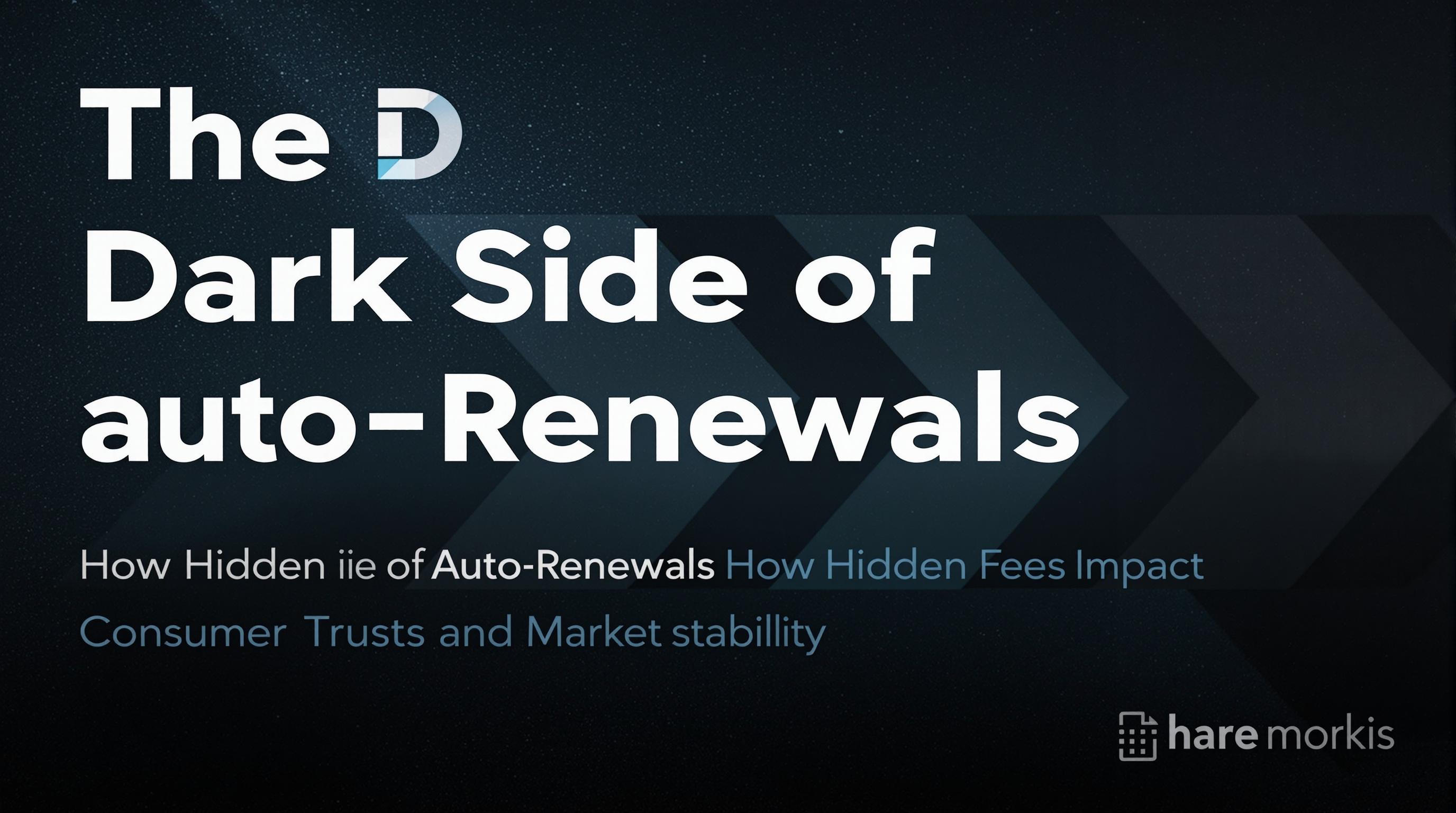
The Dark Side of Auto-Renewals How Hidden Fees Impact Consumer Trust and Market Stability
The Dark Side of Auto-Renewals How Hidden Fees Impact Consumer Trust and Market Stability
Auto-renewals often appear convenient but conceal hidden fees that erode consumer trust and shake the market's foundation. This article dives into the covert costs, explores their repercussions, and charts a path toward transparency and fairness.
Think about Sara, a 26-year-old freelance graphic designer who subscribed to an online music platform last year. She liked the service but forgot to cancel before the trial ended. Suddenly, her bank statement showed charges she hadn’t anticipated—a stealthy $49.99 auto-renewal fee. It’s a story many know too well: a small oversight turns into an unexpected expense, breeding frustration and mistrust.
The Hidden Cost of Convenience
Auto-renewals promise ease—no interruptions in service, no need to remember renewal dates. Yet, lurking beneath this convenience is a web of fees often undisclosed or buried in fine print. According to a 2022 report by the Consumer Financial Protection Bureau, more than 40% of consumers were unaware of auto-renewal fees until billed. These charges add up: companies across subscription services, cable providers, and even gym memberships harvest billions annually from inattentive customers.
Market Instability: A Subtle Threat
On the surface, recurring revenues from auto-renewals seem like a stable backbone for businesses, ensuring predictable income streams. However, when consumers realize they’re being overcharged or trapped, trust fizzles. This leads to increased churn, public backlash, and even regulatory scrutiny. Market stability hinges on consumer confidence; once shaken, it can ripple into broader economic uncertainty.
A Case Study in Consumer Backlash
Take Netflix’s 2021 pricing changes—while not exactly auto-renewal fees, the backlash over unexpected hikes echoes the auto-renewal dilemma. Subscribers voiced distrust on social media, causing churn rates to spike by 3.5% in the quarter following the announcement (Statista, 2021). The lesson is clear: even subtle fees or price bumps can provoke larger market effects when consumers feel blindsided.
Humor and Hidden Charges: A Bitter Joke
Why did the auto-renewal cross your bank account? To get to the hidden fees on the other side! All jokes aside, this scenario is no laughing matter for consumers who deal with surprise charges adding up to hundreds annually—often for services they barely use or want to cancel.
Legal Battles and Regulatory Responses
States and countries are catching on. California, for example, enacted the Automatic Renewal Law in 2010 requiring clear disclosure of renewal terms and easy cancellation methods. Europe’s GDPR also enforces strict standards about consumer consent. Despite these, enforcement lags behind the growing sophistication of subscription models, which hide fees deep inside multi-step sign-up processes.
Imagine you’re 52 and retired. The last thing you want is an unexpected recurring charge eating into your fixed income. Auto-renewals prey on such vulnerability, disproportionately affecting older adults who may struggle with digital interfaces or understanding fine print. According to AARP, 62% of senior consumers report confusion over subscription terms leading to unintended renewals.
Consumer Trust: The Fragile Currency
Trust is the currency of long-term business success. When companies exploit auto-renewal mechanics to trap users financially, they degrade this currency. Not only do individual customers suffer, but brand reputation takes a hit, often incurring far greater cost than the short-term revenue gained from hidden fees.
A Call for Transparency and Proactive Consent
We need a fundamental shift. Policies mandating upfront, clear disclosure of all fees, combined with user-friendly cancellation processes, would empower consumers. Some companies lead by example, offering “opt-in” renewals rather than default “opt-outs,” building genuine trust rather than sneaky profits.
In casual terms: don’t be “that company” nickel-and-diming your customers. Be the brand people actually want to stick with because you don’t hide the bill in fine print.
Statistics speak volumes. A survey by PwC found that 55% of consumers have canceled services due to unclear auto-renewal policies. And 72% say they would switch to a competitor if they suspected deceptive billing practices. Competitive markets respond fast to consumer sentiment.
How Technology Both Helps and Hurts
Digital subscription platforms use algorithms to minimize cancellation rates and maximize renewals. While smart, this approach often crosses ethical lines, using UI dark patterns to confuse users. However, emerging tools designed to track and manage subscriptions on behalf of users offer hope. Apps like Truebill and Bobby alert people to upcoming renewals and hidden fees, restoring some control.
Still, technology is double-edged. It requires vigilance and regulatory guidance to prevent abuse. Otherwise, the convenience promised becomes a trap, eroding consumer confidence and destabilizing market harmony.
It’s a complex dance between ease and ethics. Auto-renewals aren’t inherently evil, but without transparency and consent, they morph into consumer pitfalls. The balance lies in regulation, corporate responsibility, and consumer awareness working together.
Looking Ahead: The Future of Auto-Renewals
The evolving subscription economy demands evolution in billing ethics. A 2023 Deloitte report predicts subscription services will represent 50% of all digital revenue by 2027, making this issue more urgent than ever. Forward-thinking businesses will pioneer clear communication, proactive customer engagement, and fair fee practices—turning the dark side of auto-renewals into a beacon for sustainable market trust.
Final thought: As a 65-year-old who’s seen decades of market cycles, one lesson stands clear—trust built on transparency lasts far longer than profits squeezed from deception. Consumers deserve nothing less.
Read More